maria burton
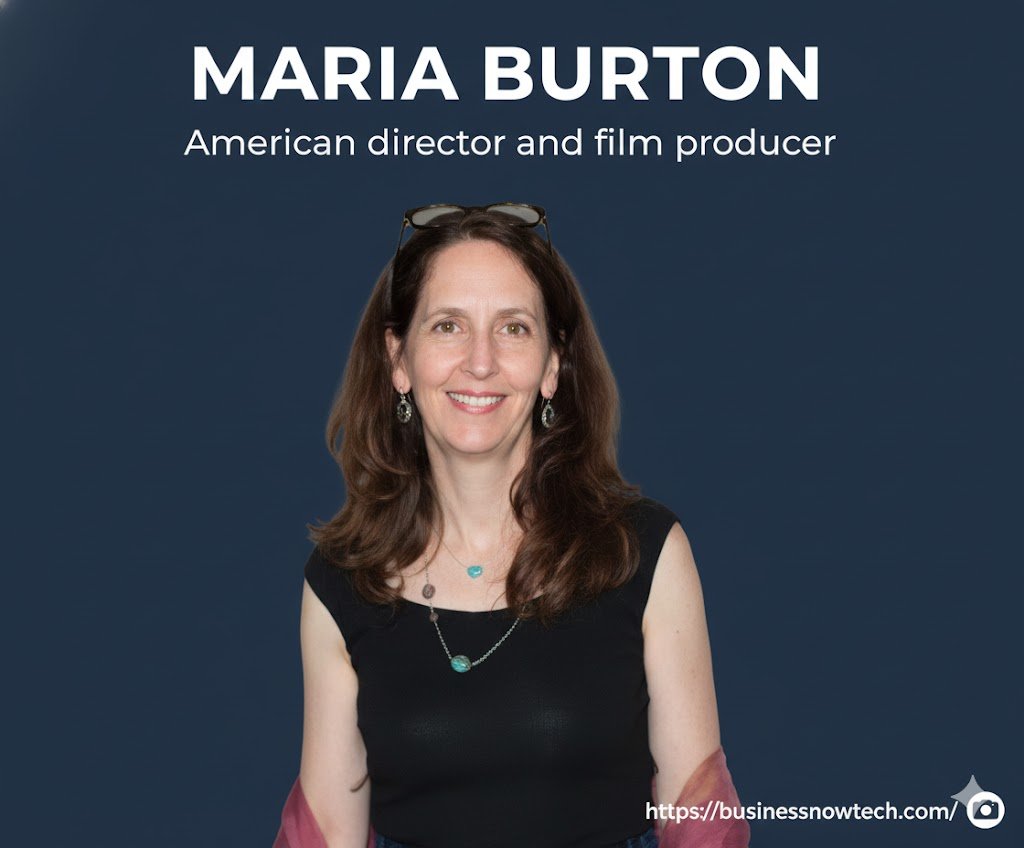
Maria Burton is a dynamic force in the American film industry, known for her work as a director, producer, and passionate advocate for women in the entertainment sector. With a career spanning independent films, documentaries, and social impact work, Burton’s contributions to cinema extend far beyond her work behind the camera. As a trailblazer for female filmmakers, she has used her platform to champion diverse voices in the industry, while also creating thought-provoking, character-driven narratives that resonate with audiences worldwide.
Early Life and Influences
Born in Buffalo, New York, Maria Burton grew up in a creatively rich environment. Her father, a musician and actor, and her mother, a novelist and screenwriter, fostered an atmosphere that encouraged artistic exploration and intellectual curiosity. Burton’s upbringing was centered around creativity, a passion for storytelling, and a deep understanding of the power of art to reflect society.
From a young age, Maria Burton was drawn to film and theater. She often found herself fascinated by the behind-the-scenes magic that brought stories to life on screen. Her educational journey led her to Yale University, where she honed her skills in theater and film. It was during her time at Yale that Burton’s passion for storytelling took root. There, she learned not only the art of filmmaking but also the power of a well-crafted narrative to communicate deeper human truths.
The Birth of Five Sisters Productions
In the mid-1990s, Maria Burton co-founded Five Sisters Productions, an independent film production company she runs alongside her four sisters. The creation of Five Sisters Productions was a natural extension of Burton’s desire to collaborate and produce meaningful stories that reflect real human experiences. The name itself reflects the spirit of unity and collaboration that is central to the company’s approach.
At Five Sisters Productions, Maria Burton and her sisters share a deep commitment to storytelling that prioritizes authenticity, emotional depth, and human connection. The company’s output includes feature films, documentaries, and web series, often focused on exploring relationships, personal growth, and the complexities of human nature. By working together as a family, they have created an environment where creativity is nurtured, and diverse voices are given a platform.
Career Highlights and Major Works
Maria Burton filmography spans various genres, from drama to documentary, but what consistently stands out in her work is her ability to delve deep into character development. Her films reflect a profound interest in the emotional and psychological journey of individuals, often set against the backdrop of universal human experiences.
Just Friends (1996)
One of Maria Burton earliest works, Just Friends (1996), is a comedic exploration of relationships and the complexities of friendships between men and women. The film stands out for its insightful look at the dynamics of love, identity, and human connection, making it a hallmark of Burton’s approach to filmmaking—using humor to address real, relatable emotional experiences.
Temps (1999)
Another significant early film, Temps (1999), showcases Maria Burton ability to capture the awkwardness and struggles of young adulthood. It tells the story of a group of recent college graduates navigating the uncertainties of life and work. With wit and compassion, Burton explores themes of personal ambition, the search for meaning, and the intersection between professional goals and personal happiness.
Manna from Heaven (2002)
In 2002, Maria Burton co-directed Manna from Heaven, a whimsical, heartwarming film that blends elements of fantasy with reality. The film tells the story of a group of seemingly unrelated characters whose lives intersect in a small town, resulting in unexpected and life-changing events. Burton’s direction of this film reflects her talent for balancing the fantastical with the grounded, creating a world that feels both magical and deeply human.
A Sort of Homecoming (2015)
In 2015, Maria Burton directed A Sort of Homecoming, a drama about returning home after years of self-imposed exile. The film explores themes of identity, belonging, and the complexities of reconciling with one’s past. Starring Laura Marano and Katherine McNamara, the film was well-received for its emotional depth and the way it captured the inner turmoil of characters who are grappling with their own life choices. Burton’s keen eye for performance and emotional nuance shone through in this intimate portrayal of personal reconciliation.
For the Love of George (2018)
For the Love of George (2018) is a romantic comedy that exemplifies Maria Burton versatility as a director. Featuring a cast including Rosanna Arquette and Tate Donovan, the film follows a woman who unexpectedly falls in love with a man who shares her passion for a specific TV show. While lighthearted in tone, the film delves into themes of love, connection, and self-discovery, with Burton’s characteristic wit and insight.
Advocacy and Leadership in the Industry
Beyond her work as a director, Maria Burton has made significant contributions to the industry through her leadership and advocacy. As an outspoken supporter of women in film, she has used her platform to push for greater representation, more opportunities for women filmmakers, and greater inclusivity in Hollywood. She has been an active member of several organizations dedicated to advancing the careers of women directors, including Film Fatales and the Alliance of Women Directors.
Burton has also been involved in several mentorship programs, including the Directors Guild of America’s (DGA) DDI Emerging Directors Mentorship Program, which aims to provide mentorship and opportunities for up-and-coming filmmakers. Burton’s commitment to mentoring the next generation of filmmakers is a key part of her legacy, and she is known for being a fierce advocate for emerging female voices in the industry.
Directorial Style and Artistic Philosophy
Maria Burton directorial style is characterized by her deep focus on character development and emotional storytelling. She has a natural ability to create complex, multidimensional characters that feel real and relatable. Her films are often introspective, examining the inner lives of her characters and their journeys of self-discovery.
One of Burton’s trademarks is her use of humor to address serious themes. Whether she is making a drama or a comedy, her work often contains elements of lightness that balance out the heavier, more poignant moments. This ability to weave humor with emotional depth allows Burton to tackle complex issues like identity, love, and personal growth in a way that feels accessible and honest.
Burton is also known for her collaborative approach to filmmaking. She values working closely with her actors, helping them find the emotional truth in their roles. Her films are often deeply rooted in human relationships, making her storytelling resonate with a wide audience.
Mentorship and Advocacy for Women in Film
In addition to her work as a filmmaker, Maria Burton is a committed mentor and advocate for women in the film industry. She has worked tirelessly to support and encourage other women filmmakers, both through her involvement in organizations like Film Fatales and by mentoring emerging filmmakers. Burton has used her platform to call for more opportunities for women behind the camera, as well as greater representation and inclusivity in the stories being told in Hollywood.
Through her leadership and advocacy, Burton has become a role model for aspiring filmmakers, particularly women who seek to carve out their own paths in an industry that has traditionally been dominated by men. Burton’s commitment to creating space for female voices in cinema is not just about her own success—it’s about ensuring that the next generation of filmmakers can thrive and be heard.
The Future of Maria Burton’s Career
Looking ahead, Maria Burton is set to continue creating meaningful and impactful films. With a number of projects currently in development, including both feature films and television pilots, she shows no signs of slowing down. Burton’s ability to shift between different genres and formats, from intimate dramas to romantic comedies, makes her a versatile and sought-after director.
As the film industry continues to evolve, Burton’s voice will undoubtedly remain an important one. She is a director who understands the power of storytelling to change perspectives, spark conversations, and make people feel seen. Whether she is working on an independent film or a major television project, Burton’s work will continue to inspire and resonate with audiences for years to come.
Conclusion
Maria Burton has proven herself as a visionary director, producer, and advocate who has significantly impacted the film industry. From her early work in independent cinema to her advocacy for greater representation of women in Hollywood, Burton has used her talent and influence to shape the direction of modern filmmaking. Her films, known for their emotional depth, humor, and relatability, have left a lasting impression on audiences, while her leadership in the industry continues to empower and inspire the next generation of filmmakers.
Through her work with Five Sisters Productions, her leadership in Film Fatales, and her commitment to mentoring young filmmakers, Maria Burton’s legacy is one of empowerment, collaboration, and creative innovation. Her impact on the film industry is undeniable, and she remains a key figure in the ongoing conversation about diversity, representation, and the power of storytelling.
About the Author