Paul Hornung
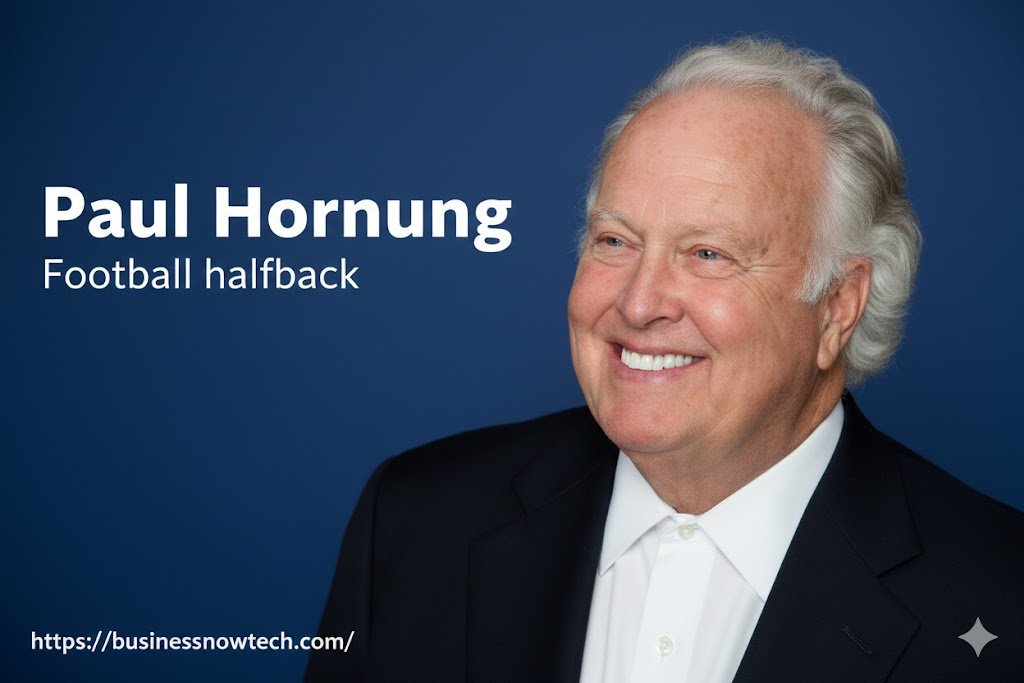
Paul Hornung, known as “The Golden Boy” of football, is a name that resonates deeply in the world of American sports. A versatile athlete and an iconic player, Hornung’s career spanned college football and the NFL, where he made an indelible mark with his remarkable skill set and undeniable impact on the field.
Early Life and Rise to Fame
Born on December 23, 1935, in Louisville, Kentucky, Paul Hornung grew up surrounded by sports. His exceptional athletic abilities were evident early on, earning him letters in football, basketball, and baseball at Flaget High School. His talent didn’t go unnoticed, and it was clear that he had the potential to excel at the next level.
Hornung attended the University of Notre Dame, where his football career blossomed. He became the starting quarterback for the Notre Dame Fighting Irish and led the team through an era of dominance. Despite the team’s struggles, Hornung’s individual performance earned him the prestigious Heisman Trophy in 1956, making him the first player from Notre Dame to win the award. His versatility was a defining trait, and he was capable of playing several positions, including quarterback, running back, kicker, and even punter. His all-around abilities set him apart, making him a true football phenomenon.
NFL Career: Green Bay Packers and the Lombardi Era
In 1957, Paul Hornung was selected as the first overall pick in the NFL Draft by the Green Bay Packers, marking the beginning of his legendary career. Under the guidance of coach Vince Lombardi, Hornung’s skills flourished in a Packers system that capitalized on his versatility. Hornung’s ability to perform in multiple roles made him invaluable — he played as a halfback, quarterback, kicker, and punter for the Packers. He became a key offensive weapon, known for his scoring ability, both in rushing and kicking.
Hornung played nine seasons with the Green Bay Packers, and during that time, the team became a powerhouse in the NFL, winning multiple championships. His most notable achievement came in the 1961 season, when he was awarded the NFL Most Valuable Player (MVP) despite playing in a predominantly offensive role as a kicker and ball carrier. He led the league in scoring and was pivotal in the Packers’ success, both offensively and on special teams.
Championships and Legacy
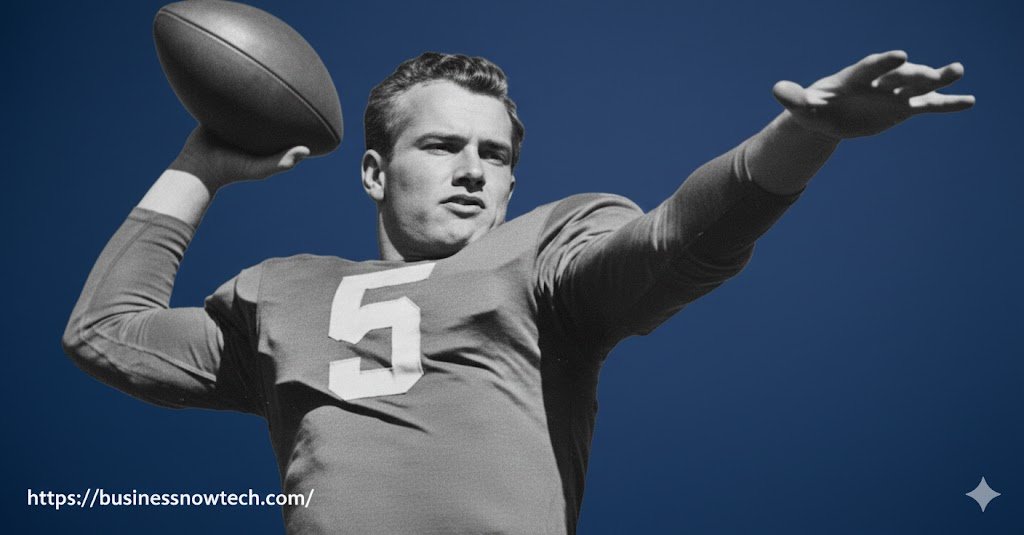
Paul Hornung was part of the Packers’ legendary roster that won four NFL championships during the 1960s, including the first-ever Super Bowl (Super Bowl I) in 1967, even though he didn’t play in the game due to injury. His influence on the team was immeasurable, and his leadership, combined with the likes of Bart Starr, Jim Taylor, and Ray Nitschke, helped establish the Packers as one of the most successful franchises in NFL history.
Versatility and Impact on the Game
Paul Hornung versatility on the field was groundbreaking. He became known as one of the most complete players in NFL history, contributing in ways that no other player at the time could match. Whether he was running the ball, catching passes, kicking field goals, or executing kickoffs, Hornung’s ability to perform in any capacity made him invaluable to his team.
His most famous moments came during his NFL MVP season (1961), where he set a league record for scoring, thanks to his impressive rushing touchdowns and placekicking. His contributions not only changed the game in terms of how versatile a player could be, but they also showed how crucial special teams and kicking could be in an NFL game.
Controversy: The Gambling Suspension
In 1963, Paul Hornung found himself embroiled in controversy when the NFL suspended him for an entire season due to his involvement in gambling on NFL games. Along with Alex Karras of the Detroit Lions, Hornung’s suspension was a pivotal moment in NFL history, as it demonstrated the league’s strict stance against gambling among players.
Although his suspension kept him off the field for a year, Hornung returned to the Packers in 1964 and continued to play at a high level, solidifying his legacy as one of the most resilient and enduring players in NFL history.
Retirement and Post-Football Life
After his time with the Packers, Hornung retired from professional football following the 1966 season. Despite being selected by the New Orleans Saints in the 1967 NFL expansion draft, Hornung chose to retire from football instead of playing for the Saints, and he never played another professional game.
Following his retirement, Hornung remained involved with the NFL and Green Bay Packers community. He also dabbled in various business ventures and made appearances in commercials, including the famous Miller Lite commercial in the 1970s, where he showcased his humor and charm, cementing his status as a pop culture figure.
He was inducted into the Pro Football Hall of Fame in 1986, a fitting honor for a player who helped shape the NFL into what it is today.
The Paul Hornung Award
In recognition of Paul Hornung remarkable versatility and contributions to the game, the Paul Hornung Award was created in 2010. Presented annually by the Louisville Sports Commission, the award honors the most versatile player in college football — a fitting tribute to Hornung’s all-around talent that helped him stand out in both college and professional football.
Personal Life and Passing

Paul Hornung personal life was equally eventful. He was married to Angela Hornung for over 40 years, and the two shared a life together after his football career. He was a proud father and remained dedicated to his family throughout his post-football years.
Hornung passed away on November 13, 2020, at the age of 84 due to complications from dementia. His passing marked the end of an era for the NFL, and fans, players, and fellow Hall of Famers mourned the loss of a true legend.
Paul Hornung’s Legacy
Paul Hornung legacy is cemented in the history of the NFL, not just for his incredible on-field ability but for the unique style and versatility he brought to the game. His contributions to the Green Bay Packers, his leadership during their championship years, and his recognition as NFL MVP all play a part in his storied career.
With the creation of the Paul Hornung Award, his name will live on in college football, as athletes continue to strive for excellence and versatility in his honor. He was not only a pivotal figure for the Packers but also for the entire NFL, symbolizing the very spirit of the game.
Paul Hornung’s Heisman Trophy, his NFL MVP award, and his four NFL championships ensure that his name will remain synonymous with the golden age of football for generations to come.
Conclusion
Paul Hornung career embodies the essence of what it means to be a multi-dimensional football player. From his Heisman-winning days at Notre Dame to his impactful tenure with the Green Bay Packers, Hornung transformed the game with his versatility and ability to dominate on all sides of the football. His legacy lives on not only through his records and achievements but also through the Paul Hornung Award, a tribute to his incredible all-around play.
Hornung’s resilience through injury and controversy, combined with his contributions to both college and professional football, guarantees that he will remain a beloved figure in football history for years to come.
About the Author