Mario Batali
Mario Batali, a name synonymous with Italian cuisine, celebrity chef culture, and television stardom, has had one of the most transformative careers in the food world. Known for his exuberant personality, signature orange Crocs, and his influential role in bringing rustic Italian cooking into mainstream American kitchens, Batali became a household name. However, his career has been marred by controversy, which has overshadowed much of his earlier success. This article delves into the rise, impact, and downfall of Mario Batali, exploring his culinary legacy and the significant challenges that reshaped his career.
Early Life and Culinary Beginnings
Born on September 19, 1960, in Seattle, Washington, Mario Francesco Batali grew up in an Italian-American family where food was at the center of life. His interest in cooking was piqued early on by his family’s connection to food culture, though Batali initially pursued a different academic path. He attended Rutgers University, where he studied Spanish theater, but his love for food led him to change direction.
After college, Batali trained at Le Cordon Bleu in London, honing his skills under the mentorship of notable chefs, and immersing himself in the culinary traditions of Italy. His training and passion for traditional Italian cooking laid the foundation for what would become an extraordinary career in the kitchen.
Mario Batali Chef and Restaurateur: Creating a Culinary Empire
Batali’s first major success came in 1998 with the opening of his flagship restaurant, Babbo Ristorante e Enoteca, in Greenwich Village, New York. This was the beginning of what would become a culinary empire, with Babbo earning a Michelin star and gaining critical acclaim for its inventive Italian cuisine. The restaurant quickly became a staple in New York’s dining scene, setting the tone for Batali’s approach to food — focused on authenticity, fresh ingredients, and bold flavors.
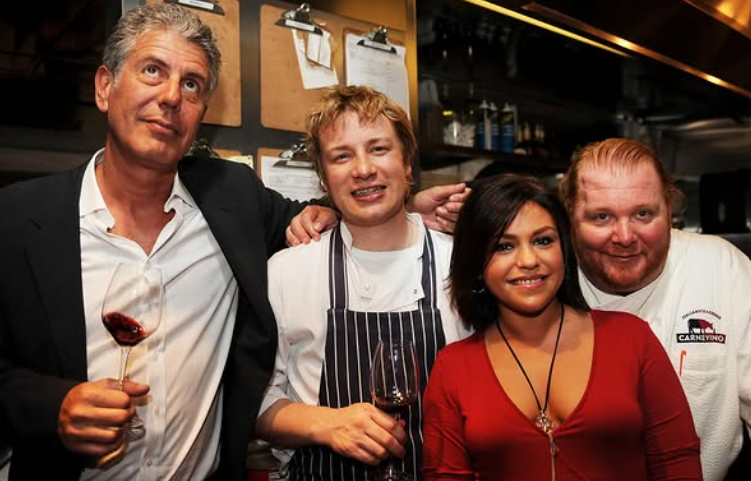
Following the success of Babbo, Batali expanded his restaurant group to include several more iconic eateries, such as:
- Del Posto – a fine-dining establishment that also earned Michelin recognition
- Lupa Osteria Romana – known for its rustic Roman dishes
- Esca – an upscale seafood restaurant
- Otto Enoteca Pizzeria – a more casual spot that brought Batali’s signature approach to pizza and pasta to a wider audience
Batali’s restaurants became synonymous with high-quality, Italian-inspired dining and helped shape the landscape of modern American Italian cuisine.
Mario Batali Television Fame: A New Kind of Celebrity Chef
Batali’s charm, along with his deep knowledge of food and cooking, translated seamlessly into television. His Food Network show, Molto Mario (1998-2005), introduced him to a national audience. Through this show, Batali taught viewers how to prepare authentic Italian dishes, all while displaying his signature blend of humor and down-to-earth style. His TV career further expanded with shows like:
- Ciao America with Mario Batali – a travel and cooking show that took him across the United States to explore local food scenes.
- Iron Chef America – where Batali was a regular competitor, gaining him even more recognition.
- The Chew – a daytime talk show on ABC where Batali served as a co-host from 2011 to 2017, blending cooking tips with lifestyle content.
Through these shows, Batali became one of the first celebrity chefs to break through into mainstream American culture. His personality, combined with his culinary expertise, made him a beloved figure on TV.
Cookbooks and Literary Contributions
Alongside his work in television and restaurants, Mario Batali authored several best-selling cookbooks, sharing his love of Italian cuisine with a broader audience. His cookbooks, such as Molto Italiano: 327 Simple Italian Recipes and America – Farm to Table, emphasized fresh ingredients and simple, rustic techniques. These books helped popularize Italian food in the United States and solidified Batali’s place as a culinary authority.
Batali’s cookbook philosophy was rooted in the idea that great food doesn’t have to be complicated. His approachable recipes for pasta, meats, and sauces made it easy for home cooks to recreate his dishes in their own kitchens.
The Fall: Allegations and Legal Troubles
Despite his success, Batali’s career took a dramatic turn in 2017 when multiple women came forward with allegations of sexual harassment and misconduct. These claims, which involved inappropriate behavior both at his restaurants and during public events, led to widespread backlash and forced Batali to step away from his businesses and television appearances. The fallout was swift: his partnership with ABC’s The Chew was terminated, and his restaurant empire distanced itself from him.
In the aftermath, Batali issued a public apology, acknowledging the harm his actions caused. He faced multiple lawsuits, including accusations of sexual assault, which he denied. In 2019, he was charged with indecent assault and battery in connection with one of the allegations, but after a trial, Batali was acquitted in 2022. However, the legal battles and public scrutiny led to a significant decline in his professional standing.
Batali also faced civil lawsuits that were eventually settled, further tarnishing his reputation. His restaurants, once some of the most celebrated in New York, were sold, and he was largely removed from the public eye.
Mario Batali Life Today: A New Chapter?

Since stepping away from the limelight, Mario Batali has kept a low profile. His personal life, once highly publicized, has become more private, with little information emerging about his current activities. Reports suggest he’s living outside the public eye, focusing on personal pursuits and possibly smaller culinary endeavors. He has also been linked to food insecurity advocacy and may be involved in smaller, more intimate food ventures.
Batali’s once-prominent career, filled with high-profile restaurant openings, television fame, and cookbook successes, now serves as a cautionary tale about the power dynamics within the culinary world, as well as the importance of accountability. Despite his legal troubles, his early work remains influential, and many still consider his contributions to the food world invaluable.
Legacy: The Impact of Mario Batali
Mario Batali’s legacy is complex, shaped by both his culinary accomplishments and the controversies that have followed. On one hand, he is credited with revolutionizing American Italian cuisine and introducing a broader audience to regional Italian dishes, making rustic food accessible and exciting. On the other hand, his career has been irrevocably marked by the allegations and legal battles that led to his fall from grace.
Even as his personal and professional life has shifted, Batali’s influence on the food world remains. His restaurants, cookbooks, and television appearances helped elevate the celebrity chef culture in the United States, paving the way for chefs like Gordon Ramsay, Rachael Ray, and Bobby Flay to build their own culinary empires.
While Batali’s name may not be as prominent today, his impact on the culinary landscape, particularly in introducing modern Italian cooking to a wider American audience, cannot be denied.
Conclusion
Mario Batali’s career is one of success, controversy, and redemption. From the heights of culinary stardom to the depths of legal and personal battles, Batali’s journey reflects both the highs and lows of the celebrity chef industry. While his past actions will forever be part of his story, his influence on Italian cuisine and American food culture endures.
As Batali moves into the next chapter of his life, his story serves as a reminder of the importance of accountability, the price of fame, and the enduring power of great food. While his reputation may never fully recover, his contributions to the culinary world remain an integral part of food history.
About the Author