Barbara Roufs
Introduction
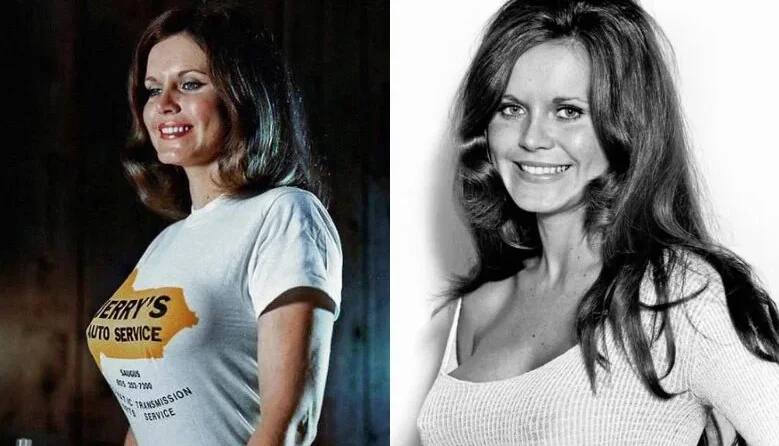
Barbara Roufs was one of the most captivating figures in 1970s drag racing culture, not as a driver, but as a celebrated trophy girl and promotional figure. Her name became synonymous with the exciting world of motorsports during its golden age, and her glamorous presence at drag racing events captured the attention of fans across the United States. Known for her beauty, charm, and larger-than-life personality, Roufs helped transform the image of drag racing into a more glamorous and fan-friendly sport.
Though Roufs was never behind the wheel of a race car, her role in the sport was just as important. As one of the most photographed women in motorsports, she became an enduring symbol of the 1970s racing scene.
Early Life and Background
Born in California in the early 1940s, Barbara Roufs grew up in a time when motorsport culture was gaining traction in America. While details of her early life remain somewhat vague, it’s clear that her exposure to the car culture of Southern California played a significant role in shaping her future career. Like many others who would find themselves at the center of 1970s racing, Roufs was surrounded by an environment that celebrated speed, power, and the thrill of the race.
Rise to Fame in Drag Racing
Barbara Roufs involvement in drag racing began when she was recruited to participate in races not as a competitor, but as a trophy girl. This role was crucial to the culture of the sport, as trophy girls presented awards to winning drivers and participated in photo opportunities and promotions at race events. In an era when motorsport was still male-dominated, trophy girls like Barbara became part of the allure of the sport.
She quickly became one of the most recognizable faces of drag racing in Southern California, a region famous for its legendary racetracks like Pomona and Irwindale. Her distinctive style, with her long flowing hair, fashionable attire, and natural charisma, captured the attention of fans and photographers alike.
Her presence at events was often larger than life — not just presenting trophies, but bringing an energy that made the racing experience more vibrant and exciting for the audience. Through her popularity, Barbara helped promote drag racing to a wider, mainstream audience.
A Star in the World of Motorsports
One of Barbara Roufs most defining moments came when she was crowned Queen of the Professional Dragster Association (PDA) in 1973. This honor was a huge milestone, as the title made her the face of professional drag racing for an entire season. Her appearance at races across the country, posing with drivers in victory lane and interacting with fans, solidified her status as a key figure in the motorsports community.
Barbara Roufs wasn’t just a pretty face — she understood the importance of motorsport culture and embraced her role in shaping the experience of fans. Her name became synonymous with the high-octane world of drag racing, and she was part of the movement that helped elevate the sport’s cultural visibility during a transformative period.
Personal Life and Family
Although Barbara Roufs was a public figure, she largely kept her personal life private. It is known that she married and had at least one daughter, whom she raised while balancing her role in the world of drag racing. She continued to be a mother and wife while maintaining her position in motorsports.
Despite her busy career, Barbara’s family remained important to her, and she was not just known as a racing personality but also as a mother and partner. Over time, however, she gradually withdrew from the motorsport spotlight as the 1970s came to a close.
The End of an Era and Tragic Death
In 1991, the racing community was struck with shock and sadness when Barbara Roufs tragically passed away at the age of 47. Reports suggest that her death was the result of suicide, although details surrounding her passing have remained unclear. Despite the success and fame she enjoyed, her life behind the scenes may have been marked by struggles that many of her fans were unaware of.
Barbara Roufs sudden death was a stark reminder of how even those in the most glamorous positions can face intense personal challenges. Her passing, while heartbreaking, cemented her status as a tragic figure in the history of drag racing, and her legacy is often discussed with a mix of admiration for her contributions to the sport and sorrow for the untimely end of her life.
Legacy and Lasting Impact
Today, Barbara Roufs remains an icon of 1970s motorsports culture, often remembered in documentaries, racing films, and among fans of vintage motorsports. Her photographs continue to surface on fan sites and nostalgia forums, where her contributions to the drag racing community are celebrated.
As one of the first major promotional figures to break through in a traditionally male-dominated sport, Barbara Roufs helped pave the way for future generations of women in motorsports. Her style, grace, and dedication to the sport made her an unforgettable personality of the 1970s racing scene.
Conclusion
Barbara Roufs’ life and legacy are a testament to the powerful role that public figures in motorsports play in shaping the culture of a sport. Though she may not have driven a race car herself, her contributions to drag racing and her iconic status as a trophy girl and promotional model made her an enduring figure in the history of the sport.
Her tragic end is a somber note in her legacy, but it doesn’t overshadow the impact she had on fans and the sport itself. Barbara Roufs will forever be remembered as a symbol of the 1970s drag racing scene, whose beauty, charm, and influence helped bring the sport into the mainstream.
About the Author