Duncan Ferguson
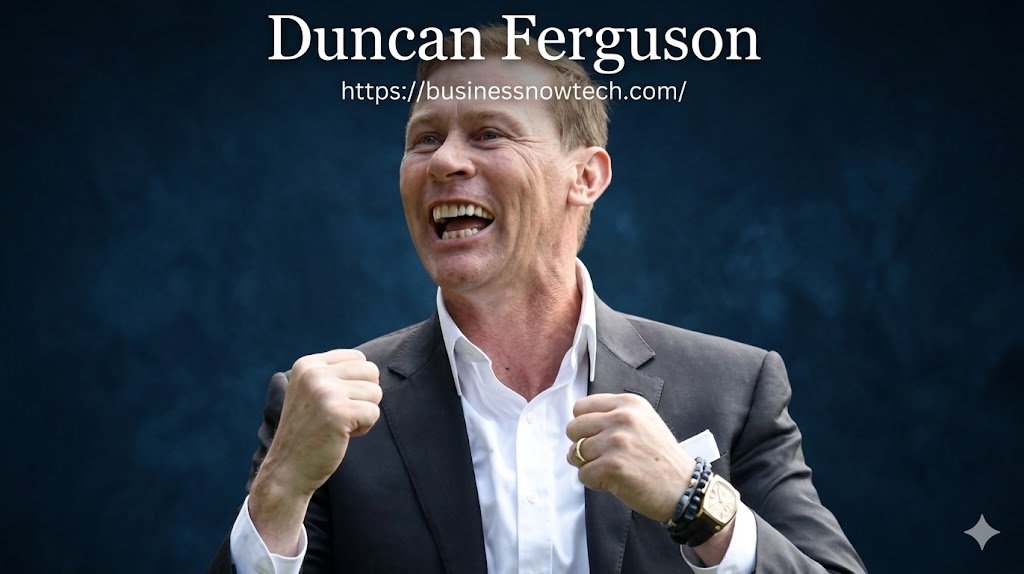
Duncan Ferguson, affectionately known as Big Dunc, is one of the most iconic figures in Scottish football. Known for his fiery passion, towering presence, and his undeniable love for the game, Ferguson’s career has spanned both highs and lows, yet his legacy remains cemented in the hearts of fans, especially at Everton, where he became a legend.
Early Life and Football Beginnings
Born on December 27, 1971, in Stirling, Scotland, Duncan Ferguson grew up with a deep passion for football. Standing at 6 feet 4 inches, it was clear from an early age that he was going to make a mark in the sport. His early footballing days started in the youth system of Carse Thistle before moving to Dundee United in 1990, where he began to make his name as a promising young striker.
The Rise to Fame: Rangers to Everton
Duncan Ferguson journey to becoming one of the most well-known footballers of his era began in 1993 when he transferred to Rangers for a British record transfer fee at the time. Although his stay at Rangers was relatively short, it marked the beginning of his rise to fame. His next career move, however, would define his legacy.
In 1994, Duncan Ferguson made the move to Everton, where he would go on to have the most significant impact of his career. It was at Everton where he truly became a household name. His aggressive and passionate playing style earned him the love of fans and respect from teammates and opponents alike. His aerial ability, physicality, and goal-scoring prowess made him an invaluable asset to the team.
Everton: The Heart and Soul of Big Dunc’s Legacy
Duncan Ferguson first spell at Everton was from 1994 to 1998, where he played 141 matches and scored 39 goals. But it was his return to the club in 2000, after a brief stint at Newcastle United, that solidified his place as a club legend. Ferguson’s passion for the club was unparalleled, and his performances on the pitch were often the difference in crucial matches.
Big Dunc was known for his fiery temperament and his commitment to Everton, which was best exemplified in the FA Cup 1995 run, where he played a pivotal role in helping the team to victory, securing the club its most significant trophy in decades. His contributions to the team were more than just goals; his leadership and emotional investment in the club made him an icon in the eyes of Evertonians.
The Headbutt Incident and Controversies
While Duncan Ferguson career was filled with memorable moments on the pitch, it was also marred by some controversial incidents, most notably the infamous headbutt in 1994. Ferguson headbutted John McStay during a match between Rangers and Raith Rovers, which led to a prison sentence for the Scottish striker. He was sentenced to 44 days in jail for the incident, which made headlines across the world and added to his controversial image.
Despite this setback, Ferguson’s career continued, and he went on to become a beloved figure at Everton, where he remained a fan favorite for his dedication and undeniable talent.
Post-Retirement: Transition to Management
After retiring from playing in 2006, Duncan Ferguson turned his attention to coaching and football management. He joined Everton’s coaching staff and became an important figure in the development of young players. Ferguson’s ability to connect with players, especially those who were tough or hard‑working, made him a valuable asset to the club.
In 2019, Ferguson was appointed as interim manager of Everton after the dismissal of Marco Silva. Under his leadership, Everton won a crucial match against Chelsea, which helped stabilize the club in the Premier League. His tenure as manager, though brief, demonstrated his leadership skills and passion for the club.
Family Life and Personal Interests
Outside of football, Duncan Ferguson has kept his personal life relatively private, but it is known that he is married to Janine Ferguson, and the couple has children. His family has been a source of support throughout his career, and he often speaks about the importance of family life.
Ferguson is also known for his love of outdoor activities. He is often seen enjoying the quieter aspects of life when not involved in football. His personal interests range from fitness to spending time in nature, which he credits as a way to recharge and focus on his well-being after the intensity of football.
Duncan Ferguson: Legacy and Influence
Duncan Ferguson legacy in football is undeniable. His time at Everton made him one of the club’s most cherished figures. Known for his intensity, leadership, and undying commitment to the team, Big Dunc became an emblem of what it meant to be a true Evertonian. Even after retiring from playing, he continued to be involved in the club, helping guide Everton through difficult times as a coach.
Ferguson’s passionate style of play, combined with his ability to lead by example, ensured that he would be remembered as one of the most influential footballers in the Premier League. His influence at Everton continues to resonate, and he remains a figure of immense respect in the world of football.
Conclusion
Duncan Ferguson’s story is one of resilience, passion, and commitment. From a Scottish youth footballer to a Premier League legend, Ferguson’s journey was not without its controversies, but his legacy is defined by his contributions to the game, especially at Everton, where he became an icon. His intensity on the pitch, his leadership qualities, and his ability to score vital goals have cemented his place as a true football legend.
Whether remembered for his incredible performances, his FA Cup triumph, or his memorable moments as a manager, Duncan Ferguson’s impact on football will be remembered for years to come.
About the Author