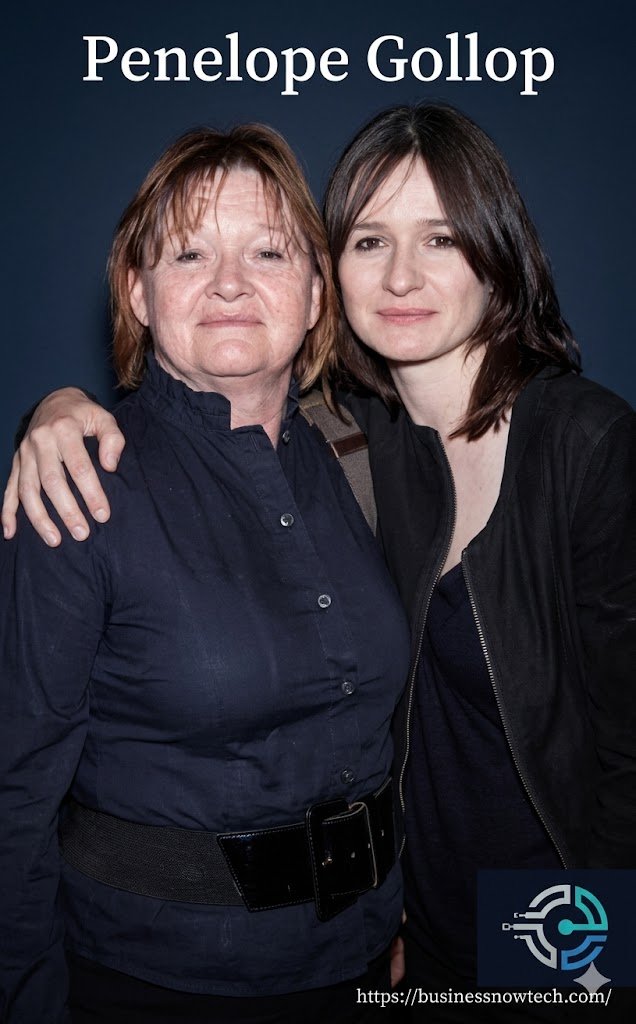
Penelope Gollop
Penelope Gollop is a name known primarily through her daughter, the acclaimed actress Emily Mortimer, and her marriage to the celebrated British writer, Sir John Mortimer. While Penelope has largely remained out of the public eye, her influence on her family, particularly her children, has left a lasting mark on British culture. Through her role as a mother and wife, Penelope Gollop shaped the lives of two generations, providing emotional and intellectual support that would help propel her daughter into the limelight.
Early Life and Background
Penelope Gollop’s life before becoming a well-known figure in literary and acting circles is relatively private. She was born in the mid-20th century and lived much of her early years outside of the public eye. Little is known about her upbringing or early career, as Penelope did not pursue fame or public attention during her younger years.
However, it was through her marriage to Sir John Mortimer, a renowned barrister, playwright, and creator of the beloved Rumpole of the Bailey series, that Penelope became more widely recognized. Her connection to John Mortimer not only shaped her personal life but also made her a part of the literary and artistic circles in Britain.
Marriage to Sir John Mortimer
Penelope Gollop married Sir John Mortimer in 1972, after his divorce from his first wife, the novelist Penelope Mortimer. The couple’s union marked a new chapter for both, with Penelope providing a sense of stability and emotional support to the famous writer.
Sir John Mortimer was an influential figure in British culture, known for his sharp wit, storytelling ability, and contribution to literature and television. While John made a name for himself in the public sphere, Penelope preferred a quieter life, often staying out of the media spotlight. She played a crucial role in supporting her husband’s work, allowing him to focus on his writing and legal career.
Their marriage lasted until Sir John Mortimer’s death in 2009, and throughout their time together, Penelope was described as a strong, grounding presence in his life. The couple lived in a countryside home in Buckinghamshire, away from the hustle and bustle of London, where they raised their family in a peaceful, supportive environment.
Penelope Gollop and Her Family
Penelope Gollop and Sir John Mortimer had two daughters: Emily Mortimer (born in 1971) and Rosie Mortimer (born in 1984). Emily, the older of the two, would go on to become an internationally recognized actress, screenwriter, and director, known for her work in films such as Lovely & Amazing, The Newsroom, and The Pursuit of Love.
Though Penelope did not seek the spotlight herself, her role as a mother was pivotal to Emily’s success. In interviews, Emily has often spoken fondly of her mother, describing her as a creative and energetic person who had a significant influence on her own artistic and professional choices. Emily has referred to Penelope as the most “rock ’n’ roll person I know,” highlighting her mother’s free-spirited personality and the support she provided throughout Emily’s childhood and early career.
Rosie Mortimer, Emily’s younger sister, has chosen a more private path in life. While not much is publicly known about Rosie’s personal or professional life, she has occasionally appeared in the public eye, often through family events or interviews where Emily has shared stories about her childhood.
Penelope’s Influence on Emily Mortimer’s Career
Although Penelope Gollop never pursued a public career in entertainment, her influence on her daughter, Emily, is immeasurable. Emily has mentioned several times how her mother’s individuality and creativity shaped her own approach to acting and storytelling.
Growing up in a household where both parents were intellectually engaged, Emily was encouraged to think independently and creatively. Penelope’s support of her daughter’s dreams was crucial, allowing Emily to develop her craft without limitations. In interviews, Emily has often pointed out how Penelope’s lively and unconventional spirit gave her the confidence to pursue a career in an industry as competitive as film and television.
Penelope’s nurturing presence also provided Emily with a sense of balance and perspective, something that has been crucial as she navigated the highs and lows of a career in Hollywood and British television. Emily Mortimer’s work has always been marked by a strong sense of authenticity and a commitment to creating diverse, complex characters — qualities that she attributes to the example set by her mother.
Penelope Gollop’s Legacy
Though Penelope Gollop may not have been in the public eye like her husband or daughter, her legacy is carried forward through the success and creative contributions of her family. Emily Mortimer, in particular, has often cited Penelope as one of her greatest inspirations, both personally and professionally.
In the years following Sir John Mortimer’s passing, Penelope continued to live a private life, choosing to remain out of the spotlight. Her influence, however, is ever-present in the works of Emily and Rosie. Through her support, strength, and nurturing spirit, Penelope played a central role in the development of two highly accomplished women who have shaped British cinema and television.
Penelope’s story is one of quiet resilience, of supporting a partner through his career while raising children who would go on to make their own mark on the world. It’s a story that celebrates the importance of family and the often-overlooked role that mothers play in shaping the creative and professional paths of their children.
Conclusion
Penelope Gollop’s life may not have been lived in the public eye, but her impact is undeniable. As the wife of Sir John Mortimer and the mother of Emily Mortimer, she left a lasting legacy of creativity, support, and intellectual engagement that shaped the careers of those around her. Through her quiet strength and dedication to her family, Penelope’s influence continues to resonate through the work of her children.
Penelope’s story is a reminder of the importance of those who provide the emotional and intellectual support that enables others to thrive. Her contributions may not have been celebrated publicly, but they were instrumental in the success of those she loved and supported.
About the Author