Anthea Redfern
Introduction
Anthea Redfern is a name synonymous with the golden age of British television in the 1970s. Known for her role as a television host and model, she became one of the most recognizable faces on the small screen during the heyday of popular game shows. While her most iconic role was as co-host of the beloved “The Generation Game”, Anthea’s career spanned more than just television hosting — she was a model, a popular figure in 1970s pop culture, and an enduring symbol of style and charm.
Early Life and Career Beginnings
Born on April 15, 1948, in Newton Abbot, Devon, Anthea Redfern’s early life was shaped by her passion for dancing and performing. Growing up in the UK, she was exposed to the world of fashion and television from a young age.
Before making her name in TV, Anthea worked as a model in London, where her striking looks and confident demeanor made her a standout. She also spent time as a Playboy Bunny at the London club in Park Lane, working under the name Sasha, which provided her with a level of fame and recognition in British social circles. This modeling career paved the way for her entry into the world of television.
Rise to Fame: The Generation Game
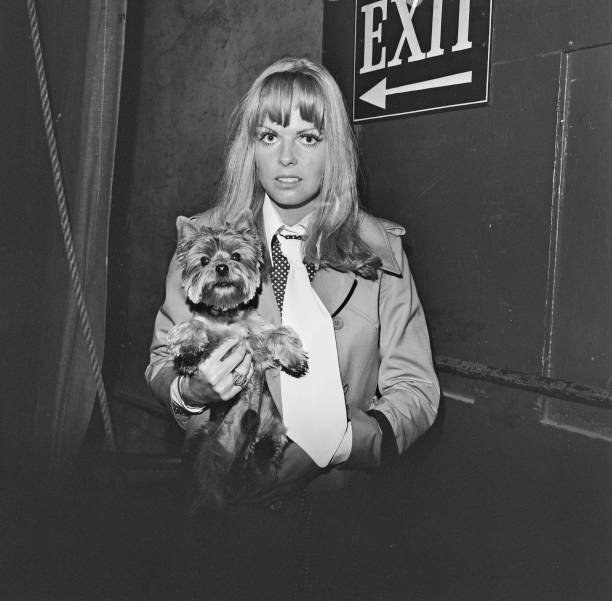
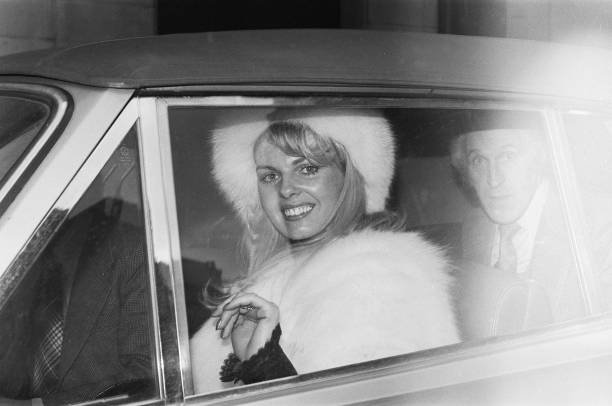
In 1971, Anthea Redfern joined the BBC game show The Generation Game, where she worked alongside the legendary Bruce Forsyth. The show was a popular family game show that combined humor, games, and family participation. Anthea’s role as the charming assistant to Forsyth — presenting the contestants, helping with the games, and interacting with the audience — made her a beloved figure on British television.
Her grace and elegance combined with Forsyth’s playful and energetic persona made for an unforgettable duo. Over the years, viewers grew accustomed to her welcoming presence on their screens, and she quickly became the face of the show alongside Forsyth.
Life After The Generation Game
After The Generation Game ended its run in 1977, Anthea Redfern remained a recognizable personality in British entertainment. She appeared on a variety of television shows, continuing her work as a host and presenter in the 1980s. Her elegant style and charming persona made her a favorite among British audiences, and she became a sought-after guest on other popular programs.
She also dabbled in acting, appearing in light comedy and drama roles on television, although her heart remained with the world of television hosting. Her elegance and professionalism on camera allowed her to stand out in an industry increasingly dominated by dynamic personalities.
Personal Life and Marriages
Anthea Redfern’s personal life became as high-profile as her television career. In 1973, she married Bruce Forsyth, her co‑host on The Generation Game. The two had a famously charming marriage, with their chemistry on screen spilling over into their personal life. Together, they had two daughters, Charlotte and Louisa. However, the couple divorced in 1982, ending their marriage after nearly a decade together.
Redfern’s second marriage was to Freddie Hoffman, a property developer, with whom she had another daughter, India. Like her first marriage, this one also ended in divorce. Despite the end of her marriages, Anthea remained close to her daughters, often keeping her family life out of the media spotlight.
A More Private Life in Recent Years
In the years following her TV career, Anthea Redfern chose to step away from the media limelight. She eventually settled in Marbella, Spain, where she lived a quieter, more private life away from the cameras. Today, she enjoys the peace and tranquility of retirement, spending time with her family and focusing on personal pursuits.
Though she keeps a low profile, Anthea is still occasionally mentioned in the context of British television history, especially for her role in shaping the popular entertainment landscape of the 1970s. Her contributions to TV continue to resonate, and she is remembered as one of the most glamorous TV personalities of her era.
Legacy in British Television
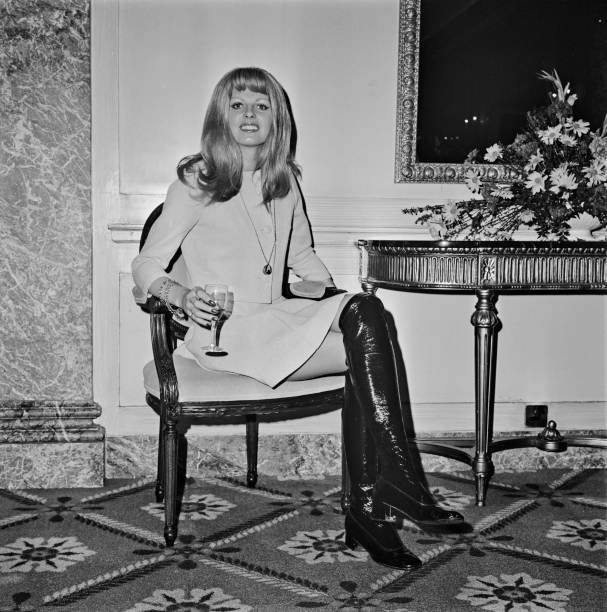
Anthea Redfern’s impact on British television cannot be overstated. Her role on The Generation Game helped set the standard for the modern game show host. In an era where television was becoming an increasingly influential medium, Anthea’s presence, poise, and personality brought a sense of class to the format. She exemplified the role of the co‑host, offering a blend of warmth, professionalism, and charm that made her beloved by audiences.
Her legacy is especially important in the context of 1970s British entertainment, a time when television was a primary source of family entertainment. Redfern’s role helped to elevate the status of game show presenters and brought an added layer of elegance to the genre.
Quick Facts: Anthea Redfern
| Detail | Information |
|---|---|
| Full Name | Anthea Bernice Redfern |
| Born | April 15, 1948 |
| Place of Birth | Newton Abbot, Devon, England |
| Best Known For | Co‑hosting The Generation Game |
| Marriages | Bruce Forsyth (1973–1982), Freddie Hoffman |
| Children | Charlotte, Louisa (with Forsyth), India (with Hoffman) |
| Later Life | Lives in Marbella, Spain |
| Television Appearances | The Generation Game, Come Dine with Me |
| Legacy | Iconic TV personality, known for charm and elegance |
Conclusion
Anthea Redfern’s career remains an enduring part of 1970s British television. Known for her elegant presence and warmth on screen, she helped define an era of family entertainment. As one of the first glamorous female television hosts, Anthea broke new ground in television presentation, setting the stage for future generations of women in broadcasting. While she may have stepped back from the limelight, her place in TV history remains secure, and she is fondly remembered as one of the defining personalities of British entertainment.
About the Author